
If you’re searching for the best salt for high blood pressure because you have hypertension and want to enjoy flavorful meals without spiking your readings, you’re not alone. Many people ask: “I have high blood pressure but love salt-what salt can I use if I have hypertension?” or “What salt is safe for high blood pressure that actually tastes good?”
The good news: Recent guidelines from the World Health Organization (WHO, 2025) and the American Heart Association/American College of Cardiology (AHA/ACC, 2025) now strongly support switching to potassium salt for high blood pressure or other potassium-enriched salt substitutes. These options reduce sodium while boosting potassium, which helps counter sodium’s effects on blood vessels and fluid balance. Traditional salts like table, sea, or Himalayan don’t offer this dual benefit.
In this comprehensive guide, we’ll explore why regular salt raises blood pressure, the ideal mineral balance, comparisons, and practical tips so you can choose a heart healthy salt option that fits your life.
SHOP BOULDER SALT NOWWhy Regular Table Salt Raises Blood Pressure
Sodium is essential in small amounts, but excess causes your body to retain fluid, increasing blood volume and pressure on artery walls. Most Americans consume around 3,400 mg of sodium daily—far above the AHA’s recommended limit of 2,300 mg (ideally 1,500 mg for those with hypertension). This contributes to elevated blood pressure, heart strain, and higher risks for stroke and cardiovascular disease. Potassium plays the opposite role: It relaxes blood vessels, promotes sodium excretion through urine, and improves the sodium to potassium ratio for blood pressure control. A poor ratio (high sodium, low potassium) is a key driver of hypertension—fixing it through diet or smart salt choices can make a real difference. See how Boulder Salt helps balance sodium and potassium for heart health.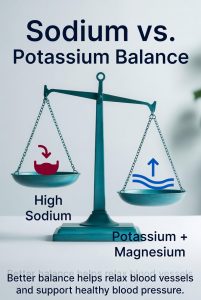
The Ideal Sodium to Potassium Ratio for Blood Pressure
Research shows the ideal sodium to potassium ratio favors more potassium to offset sodium. Meta-analyses of trials find that potassium-enriched salts lower systolic blood pressure by about 4–5 mm Hg and diastolic by 1–2 mm Hg on average. Bigger real-world benefits include reductions in major cardiovascular events, stroke, and mortality. The 2025 WHO guideline on lower-sodium salt substitutes recommends potassium-enriched versions as an effective, affordable way to reduce sodium and boost potassium at the population level. The 2025 AHA/ACC guideline for hypertension management gives a Class 2a recommendation (reasonable/useful) for potassium-based salt substitutes to prevent or treat elevated BP and hypertension, especially when salt is added during home cooking or seasoning (with monitoring advised for those with CKD or potassium-affecting medications). Here is a link to a different blog that was published by the Boulder Salt Company, it speaks to potassium enriched salt substitutes and their impact on blood pressure BOULDER SALT BLOG ON POTASSIUM ENRICHED SALTS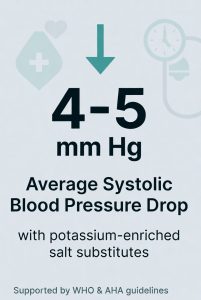
Does Magnesium Help High Blood Pressure? (and other key minerals?)
Beyond potassium, does magnesium help high blood pressure? Yes, magnesium supports vessel relaxation and heart rhythm, while calcium aids muscle function. The best electrolyte balance for hypertension includes these minerals alongside reduced sodium. Blends that add magnesium, calcium, and bicarbonate (for alkalinity) go further than basic potassium substitutes, supporting overall hydration and cardiovascular health.Are Sea Salt and Himalayan Salt Better for Hypertension?
Many wonder: Is sea salt better than table salt for hypertension? or Does Himalayan salt lower blood pressure? Short answer: No meaningful advantage. Sea salt, Celtic sea salt, and Himalayan pink salt contain trace minerals (magnesium, calcium, iron), but amounts are tiny and don’t impact blood pressure significantly. They still deliver ~33–39% sodium by weight, similar to table salt, and offer no proven edge over regular salt for hypertension management. Studies and reviews confirm: Fancy salts like Himalayan are mostly marketing; total sodium intake matters most.What About Potassium Salt Substitutes? (Evidence from WHO & AHA)
Potassium salt for high blood pressure or salt with potassium for blood pressure is where evidence shines. The 2025 WHO guideline endorses replacing regular salt with potassium-enriched versions to lower BP and CV risk. The AHA/ACC echoes this, recommending them especially for home use. These substitutes taste similar to regular salt (minimal bitterness in modern formulas) and provide measurable benefits without major diet changes. Landmark evidence comes from the Salt Substitute and Stroke Study (SSaSS), a large trial showing lower stroke (rate ratio 0.86), major CV events (0.87), and all-cause death (0.88) with a 75% NaCl / 25% KCl substituteComparing Salt Options – Data and Visual Breakdown
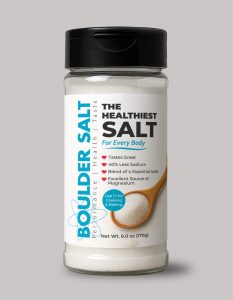
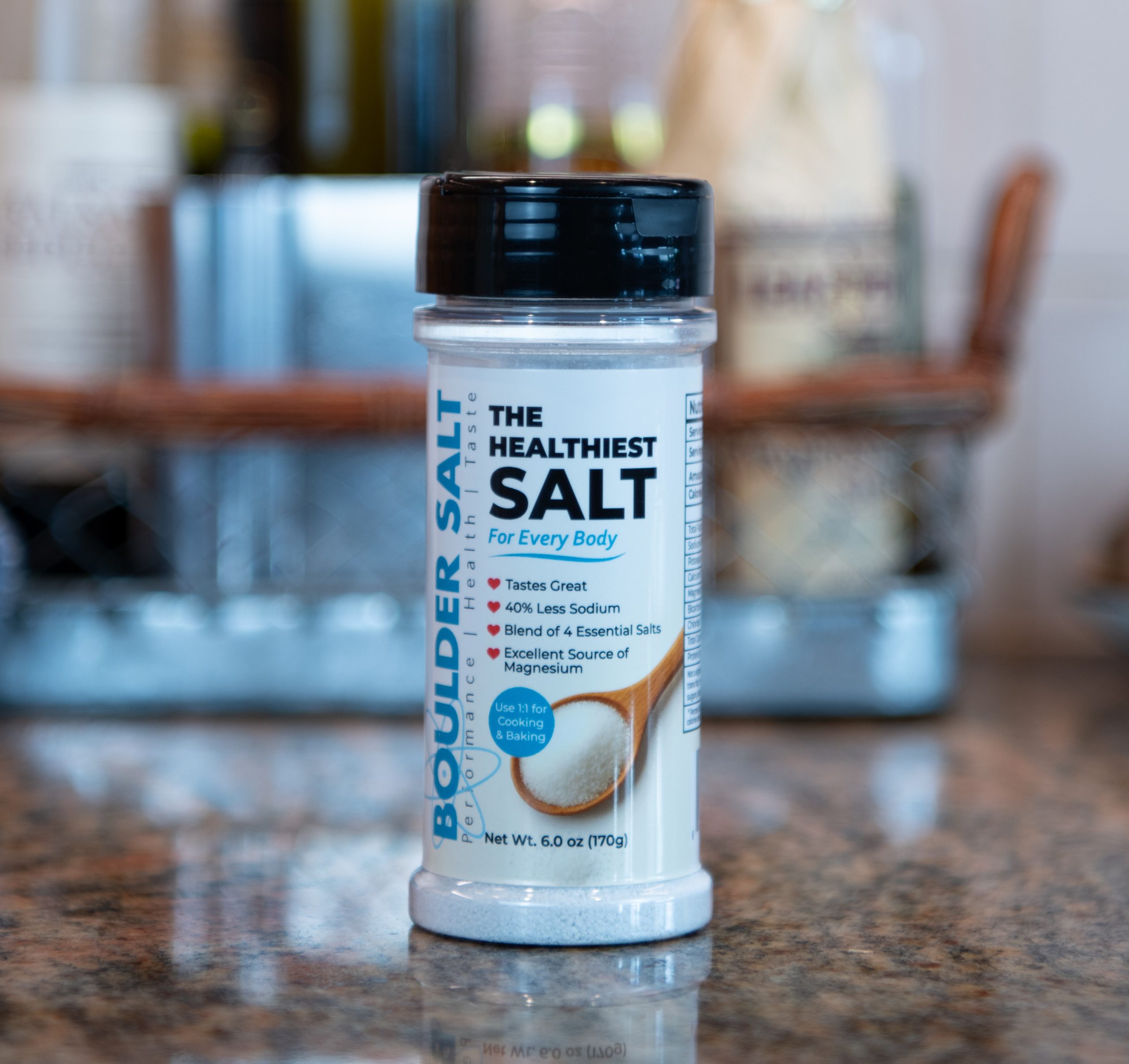
To answer Himalayan salt vs low sodium salt for blood pressure, sea salt vs potassium salt for hypertension, or Morton Lite Salt vs Himalayan salt for blood pressure, look at the facts. This visual shows Boulder Salt’s lower sodium (~22%) with meaningful potassium (9%), magnesium (9%), calcium (5%), and bicarbonate (21%)—superior for electrolyte salt vs table salt balance. SHOP BOULDER SALT NOW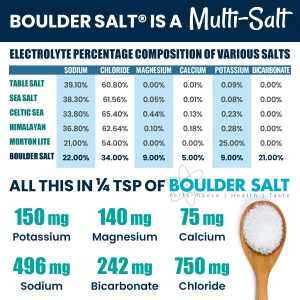
| Salt Type | Sodium % | Potassium % | Magnesium % | Calcium % | Bicarbonate % | Notes for High BP Management |
| Table Salt | 39% | Trace | None | Trace | None | High sodium; no balancing minerals |
| Sea Salt (typical) | 38–39% | Trace | Trace | Trace | None | Similar to table salt; minimal benefit |
| Himalayan Pink | 37% | Trace | Trace | Trace | None | Trace minerals too small to impact BP |
| Morton Lite | 21% | 25% | None | None | None | Good potassium boost, but no Mg/Ca |
| Boulder Salt | 22% | 9% | 9% | 5% | 21% | Balanced electrolytes; lower sodium + added minerals for heart support |
Best Tasting Low Sodium Options for Daily Use
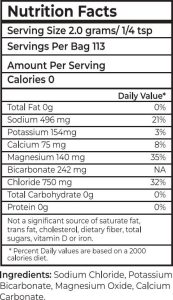
Searching for the best salt for high blood pressure that tastes good or low sodium salt that doesn’t taste bitter? Many report basic potassium chloride has a metallic taste, but multi-mineral blends improve palatability. Link to Boulder Salt Recipe Blog: LOW SODIUM DIET IDEAS USING BOULDER SALT Boulder Salt fits here: With ~40% less sodium per serving (496 mg in ¼ tsp vs. ~590–600 mg in table salt) plus added electrolytes, it delivers mild, clean flavor for cooking, baking, or seasoning, making it a best cooking salt for someone with hypertension or heart healthy salt that tastes good. Discover why Boulder Salt is considered the best low-sodium salt.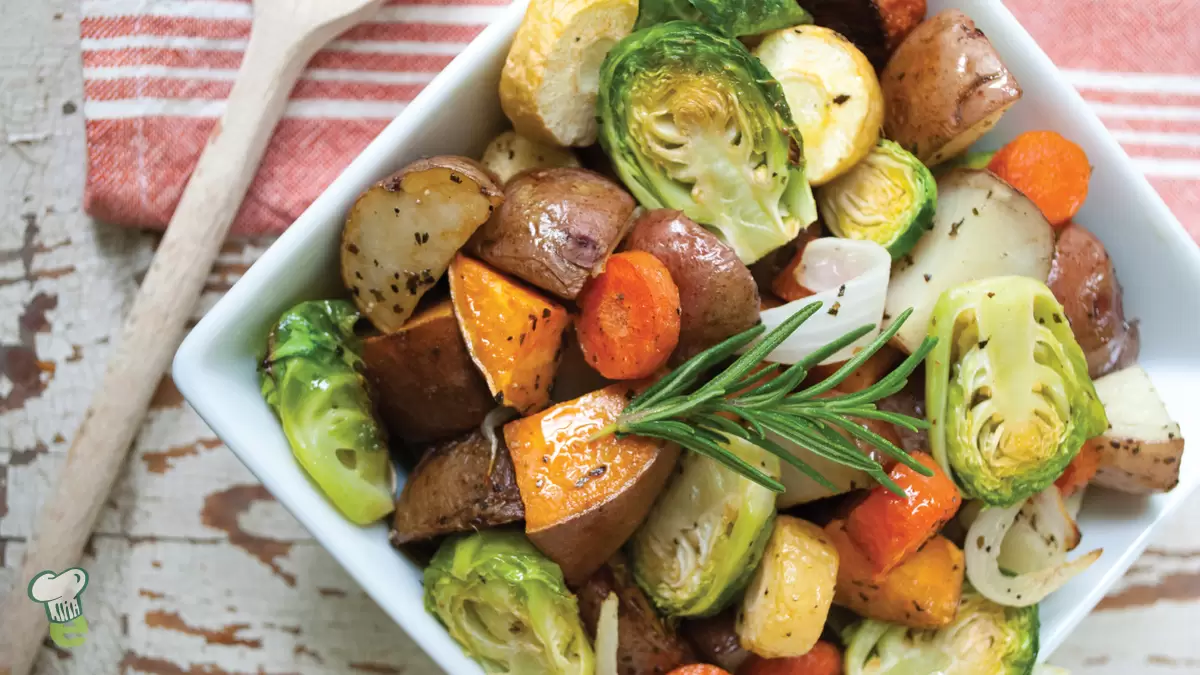
Practical Tips & Recipes for Low Sodium Living
- Swap gradually: Use 1:1 in recipes.
- Boost potassium naturally: The AHA recommends 3,500–5,000 mg of potassium daily from foods like bananas, spinach, avocados.
- Track intake: Aim under 2,300 mg sodium daily.
- Recipe ideas: Try heart-healthy roasted veggies—toss with olive oil, herbs, and ¼ tsp Boulder Salt; roast at 400°F. Or make spicy popcorn, grill rubs, guacamole, or veggie omelets seasoned with Boulder Salt for flavor without excess sodium. Get more low-sodium diet ideas and recipes.